Steps to Heal Your Gut Naturally
- Cecili Wertz Eckert
- Jul 17, 2025
- 4 min read

Updated: Jul 19, 2025
Digestive wellness is a vital aspect of overall health that many people overlook. The gut plays a significant role in our physical and mental well-being. Many individuals struggle with digestive issues, which can have a profound impact on daily life. Fortunately, there are several steps you can take to naturally heal your gut. In this blog, we will explore practical strategies to enhance your gut health through lifestyle changes, nutrition, and mindfulness.
Understanding Digestive (Gut) Health
Digestive health and wellness refer to the optimal functioning of your gastrointestinal tract, influencing everything from nutrient absorption to immune function. An imbalance in your gut flora can lead to conditions such as bloating, constipation, diarrhea, and heartburn. Understanding what contributes to digestive wellness can help you make informed choices to enhance your health.
Research indicates that an estimated 70 million adults in the United States experience some form of digestive disease. These issues often stem from poor dietary choices, lack of physical activity, and high stress levels. By addressing these factors, you can create a more harmonious environment for your gut.
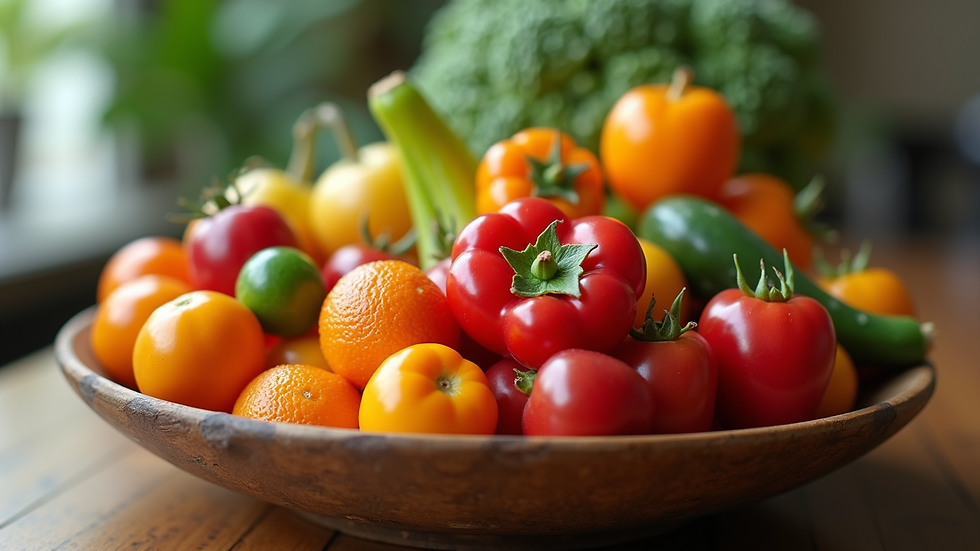
Food Choices to Heal Your Gut Naturally
One of the most effective ways to support digestive wellness is through dietary choices. Here are some superstar food options that can promote gut health:
1. Incorporate Probiotics
Probiotics are live bacteria that provide numerous health benefits when consumed. They can help balance your gut bacteria and improve digestion. Foods rich in probiotics include:
Yogurt
Sauerkraut
Kimchi
Kefir
Miso
2. Prioritize Fiber
A high-fiber diet is essential for digestive health. Fiber helps regulate bowel movements and prevents constipation. Aim for both soluble and insoluble fiber by consuming foods such as:
Whole grains (brown rice, quinoa, oats)
Legumes (lentils, beans, chickpeas)
Fruits (apples, pears, berries)
Vegetables (broccoli, carrots, leafy greens)
Studies show that increasing your fiber intake can significantly reduce the risk of digestive disorders. Strive to gradually increase your fiber consumption to prevent any initial discomfort.

3. Stay Hydrated
Hydration plays a critical role in digestion. Water helps break down food so your body can absorb nutrients effectively. Additionally, it softens stool, preventing constipation. Aim to drink at least 8 cups of water daily, or more if you are physically active.
Consider starting your day with a glass of water and keeping a refillable bottle handy for quick access throughout the day. Herbal teas are another great way to stay hydrated while providing extra nutrients that promote gut health.
Mindful Eating Practices
Mindful eating can greatly enhance your digestive wellness. It involves paying full attention to the experience of eating, which can improve digestion and satisfaction. Here are some practices to incorporate into your routine:
1. Slow Down While Eating
Rushing through meals can lead to overeating and poor digestion. Try to slow down by chewing each bite thoroughly and savoring the flavors. This practice aids in better digestion and may help you recognize when you're full.
2. Create a Calm Eating Environment
Eliminate distractions while eating. This means no phones, television, or computers. A calm environment allows you to focus on your meal and promotes relaxation, which can foster a more efficient digestive process.
3. Listen to Your Body
Pay attention to how different foods make you feel. Keep a journal to track what you eat and any digestive symptoms you experience. This can help identify food intolerances or allergies. If you notice that certain foods cause discomfort, consider eliminating them from your diet temporarily to see if your symptoms improve. We give our clients a Food, Mood, and Poop Journal to keep track, and identify patterns!
Physical Activity's Role in Gut Health
Regular physical activity is essential for maintaining digestive wellness. Exercise stimulates the digestive tract and can help prevent various digestive issues, such as constipation. Here’s how to incorporate more movement into your day:
1. Choose Activities You Enjoy
Find physical activities that you enjoy, whether it’s biking, dancing, swimming, or walking. Aim for at least 30 minutes of moderate exercise most days of the week. Even simple actions, such as short walking breaks during the day, can significantly impact digestive health.
2. Incorporate Stretching Exercises
Certain stretches can help relieve digestive discomfort and promote gut health. Consider trying yoga poses such as Child’s Pose or Supine Twist, which can help stimulate digestion and relieve bloating.
3. Be Mindful of Posture
Your posture during and after meals can influence digestion. Sitting up straight and avoiding slouching can facilitate better digestion. After eating, consider taking a gentle walk instead of lying down immediately to help food move through your digestive system.
Stress Management for a Healthy Gut
Chronic stress can disrupt gut health, leading to a variety of digestive issues. Finding effective ways to manage stress is crucial for improving your overall wellness.
1. Practice Relaxation Techniques
Incorporate relaxation techniques into your daily routine, such as:
Deep breathing exercises
Meditation
Mindfulness practices
Even spending a few minutes each day focused on relaxation can positively affect your digestive system.
2. Engage in Physical Activity
As mentioned earlier, regular physical activity is a fantastic stress reliever. Activities like jogging, cycling, or even going for a brisk walk can boost endorphins and help alleviate stress levels.
3. Prioritize Sleep
Adequate sleep is vital for digestive health. Aim for 7-9 hours of restorative sleep each night. Lack of sleep can negatively affect digestion and increase stress levels. Create a calming bedtime routine and consider limiting screen time before bed to improve sleep quality.
Summary of Steps to Heal the Gut Naturally
Improving your digestive wellness is achievable by making conscious lifestyle changes. Here’s a recap of the steps to take:
Incorporate probiotics into your diet.
Prioritize fiber-rich foods for better digestion.
Stay hydrated throughout the day.
Practice mindful eating by slowing down and creating a calm environment.
Engage in regular physical activity and incorporate stretching.
Manage stress through relaxation techniques and prioritizing sleep.
By implementing these strategies, you can create a healthier environment for your gut, promoting overall wellness. If you'd like more detailed guidance on digestive wellness management, book a free consultation today, and let's personalize your approach.


Comments